

LEADERSHIP

December 18, 2025

Alec Witham
When I stepped back into ScreenBroidery, the employees were feeling chaos from rapid growth. Projects everywhere. People overwhelmed. Everyone wearing too many hats.
The team needed clarity, structure, and focus. So we rebuilt responsibilities, tightened goals, and cleaned up our operational bottlenecks. It worked. The grind finally found its rhythm.
But a new problem emerged:
We had fixed the machine and lost the magic. Cross-team collaboration disappeared. Creativity felt flat. Everyone was working next to each other, not with each other.
So naturally, I did what any in my seat would do:
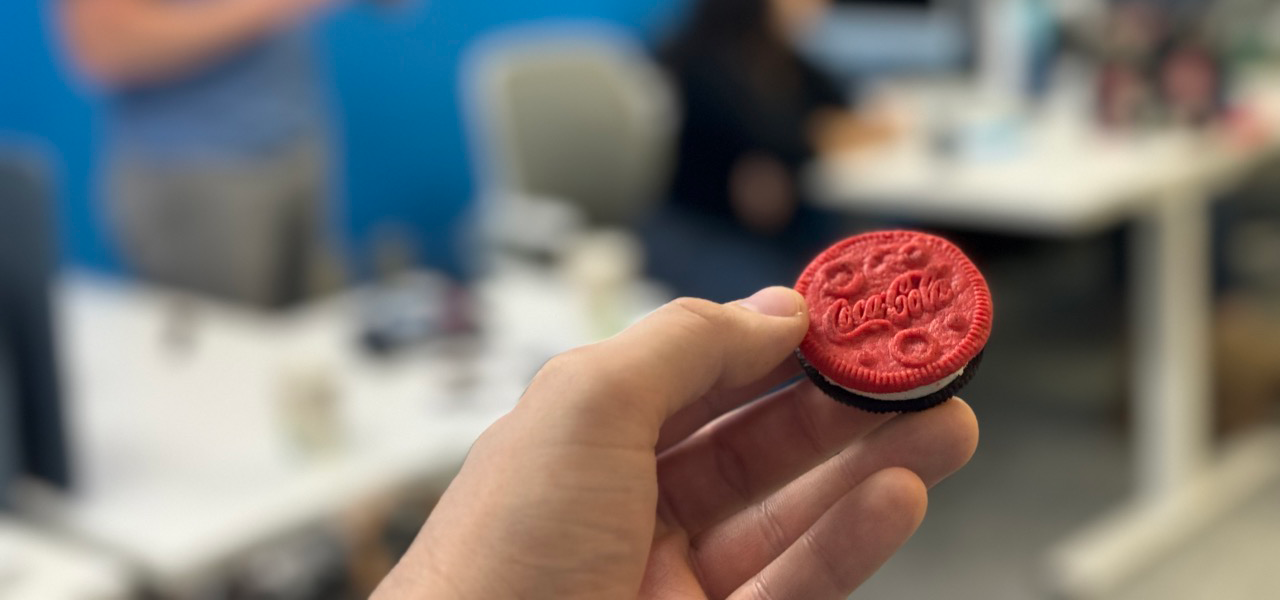
I brought in limited-edition Oreos.
One morning, I walked into the team space, dropped a massive Costco box of Oreos on the table, and said:
“We’re eating these at 1. Bring your opinions.”
Then I walked out.
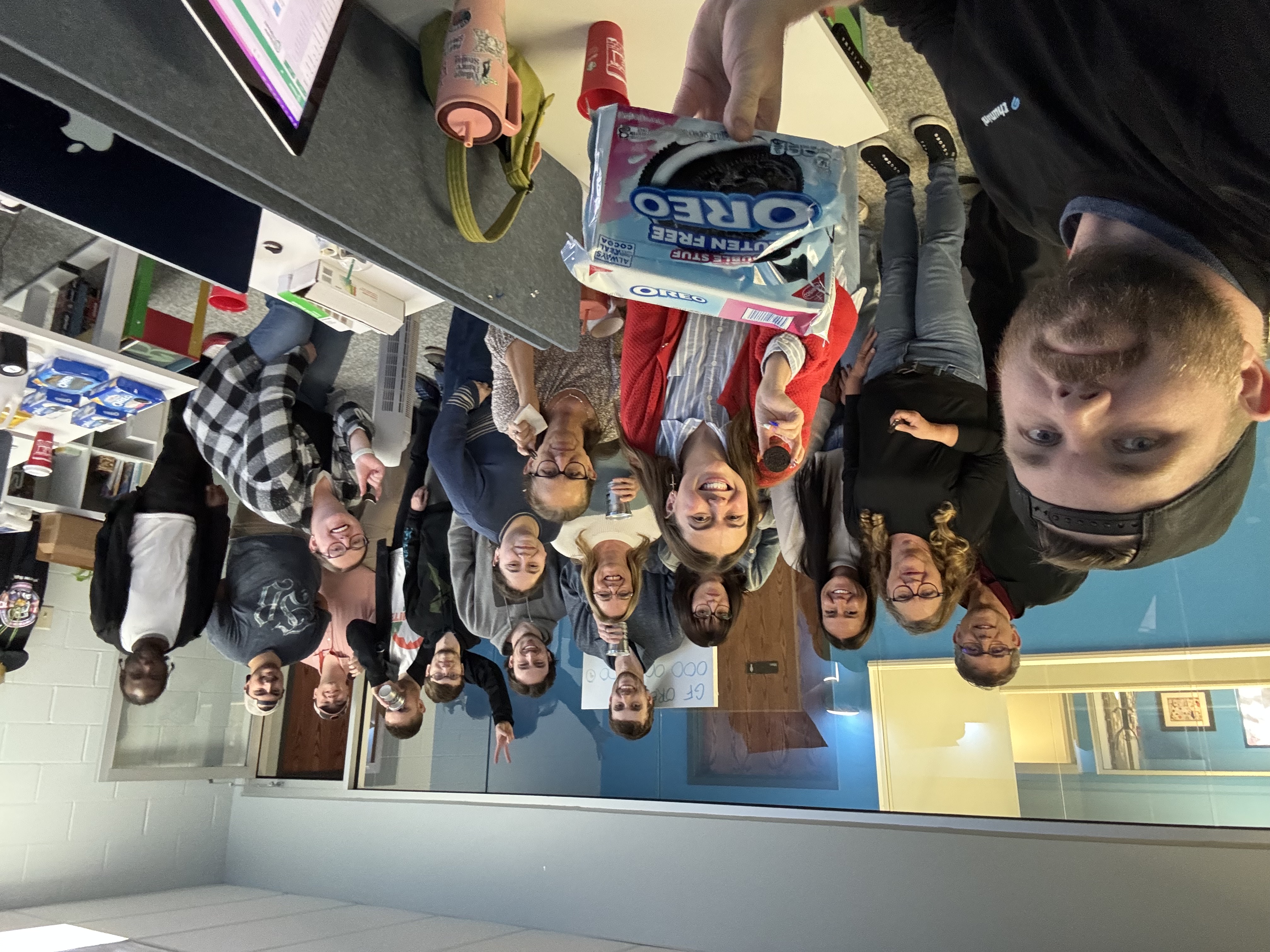
At 1pm sharp, the whole team was there, half confused, half excited.
Before we could try anything, we needed a system. A framework.
I threw that out there as a challenge and a marketer spoke up immediately. They had the answer.
Three attributions:
But the math was weird. Three points each? That’s nine.
Our analyst chimed in: “We need a subjective score too... like, would you buy it again?”
Boom. One more point.
Suddenly the team was adding refinements, building formulas, dividing scores, tightening the methodology. It was the first true cross-team creative collaboration we’d had in months. And we hadn’t even eaten the damn cookie.
Then we tried it. It was… awful.
Cardboard-level awful.
“Maybe-the-bulk-version-is-cheaper-on-purpose” awful.
At first, I regretted starting with such a dud.
But then something happened:
People rallied.
We didn’t just rate the cookie, we critiqued it.
We tore apart the packaging. We debated scale vs. quality. We talked about cost-cutting, supply chain, flavor engineering, brand reputation. A bad product had turned into a 30-minute business discussion.
The team bonded, not over excitement, but over shared distaste A universal “ew” became a universal “us.”
And that’s when the lesson clicked:
Collaboration isn’t always sparked by brilliance. Sometimes it’s sparked by disappointment. Bad products have marketing lessons too.
After that, the Oreo sessions continued. Any time a new limited-edition flavor dropped, someone grabbed it. The critiques got deeper, the enthusiasm grew, and the group became a ritual.
Then something completely unexpected happened: People from outside the department started showing up.
They heard the laughter... They peeked in... They joined.
Suddenly we weren’t just a marketing team. We were a community of Oreo analysts.
We had:
What started as a $7 box of cookies turned into:
Here’s what this taught me as a marketer and a leader:
I didn’t fix collaboration with a meeting or a memo. I fixed it with curiosity, novelty, and connection. A bad cookie turned into:
And for me, it reaffirmed a core belief:
Marketing isn’t just about products. It’s about people. And the smallest moments can build the strongest communities.
If I had to sum it up?
Oreo had the product.
We built the community.
...and that made all the difference.

© Made by Alec Witham

