

When ScreenBroidery acquired Thumbprint, the two organizations entered the same room with very different identities. ScreenBroidery had grown rapidly by serving everyone from hungry startups to Fortune 10 enterprises. The brand stood out, but not always in the way enterprise buyers trusted. It leaned playful and lacked the sophistication large companies expect when trusting someone with their global branding programs.
Thumbprint was the opposite. They served nearly three hundred clients with high volume enterprise programs. Their brand position was hyper focused on technology, yet it had slowly drifted too far away from the creativity and product expertise enterprise clients still rely on.
The acquisition created a new problem. Two brands with opposing identities needed to become one cohesive company. Both teams had different cultures, different voices, and different ideas about how to talk to the market. The organization was moving quickly, but without a unified narrative, the value proposition felt scattered and unclear.
Alec stepped in as the guide to rebuild the brand position from the ground up.
Alec began by grounding everything in truth. He interviewed clients, executives, partners, and internal teams to understand the real pain points for enterprise buyers. He evaluated competitors, adjacent tech companies, agencies, and industry leaders to see where the market was saturated and where opportunity lived. Then he mapped both companies side by side to determine what to keep, what to evolve, and what to eliminate entirely.
With clarity in hand, he led a unified team that included his Brand and Content Lead, his Marketing Specialist, the internal photo studio, and a rebranding agency brought in for refinement stages. Together they rebuilt the brand from its foundation.
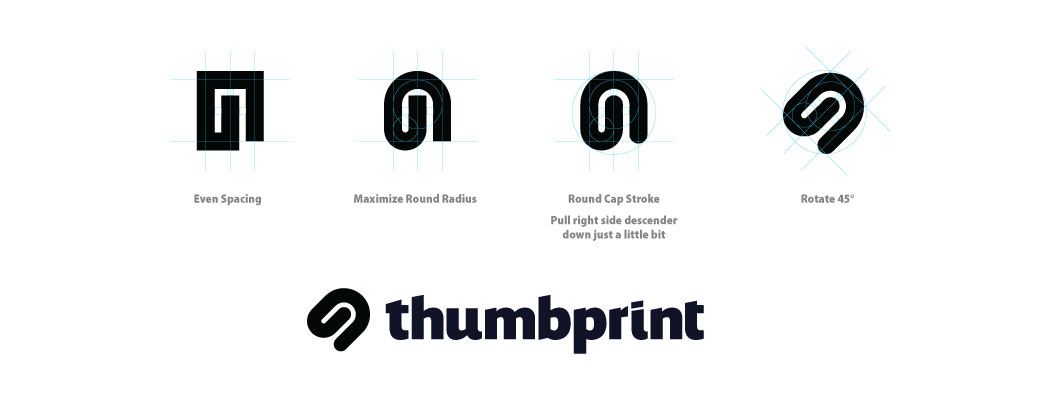
1. Elevating the identity
The logo became the first proof point of sophistication. Clean principles. Simplified geometry. A mark that signaled professionalism to enterprise clients while still honoring the spirit of creativity. It was the spark that told buyers the company understood design at the level needed to manage brand expression across thousands of products and touchpoints.
2. Building balance between creativity and technology
Enterprise clients did not want a swag distributor. They wanted a solutions partner. Alec reshaped the narrative into what he called services as a product. The story now showcased platform capabilities, logistics systems, creative services, and global sourcing working together instead of competing for attention.
On the creative side he overhauled the entire About page. Instead of quick snapshots, he directed full photo shoots that told visual stories of real projects. Each shoot captured the craft, the brand thinking, and the emotional impact clients cared about. On the technology side he used SaaS playbook principles to design simple narrative UI mockups and animations that demonstrated how the platform solved real enterprise scale problems.
3. Aligning internal teams around one voice

Culturally, the acquisition created friction. People believed in the mission, but nobody agreed on how the company should talk to buyers. Alec conducted extensive interviews and audits of every service, feature, and capability. He wrote clear positioning for each one so the sales team finally had language they could start to trust.
He created a fifteen page brand voice guide that outlined how Thumbprint should sound, why it mattered, and how it helped strengthen relationships with enterprise decision makers. He held more than thirty executive alignment meetings to ensure the leadership team shared the same vision before anything launched.
4. Building an enterprise ready brand system
The final output was a sixty page brand guideline. Every detail was intentional.
Logos. Pairing rules. Color accessibility. Typography. Photography guidelines. Merch systems. Business collateral. Web interaction styles. The document was built so any designer, marketer, or partner could execute consistently without guesswork.
All of this happened in under three months.
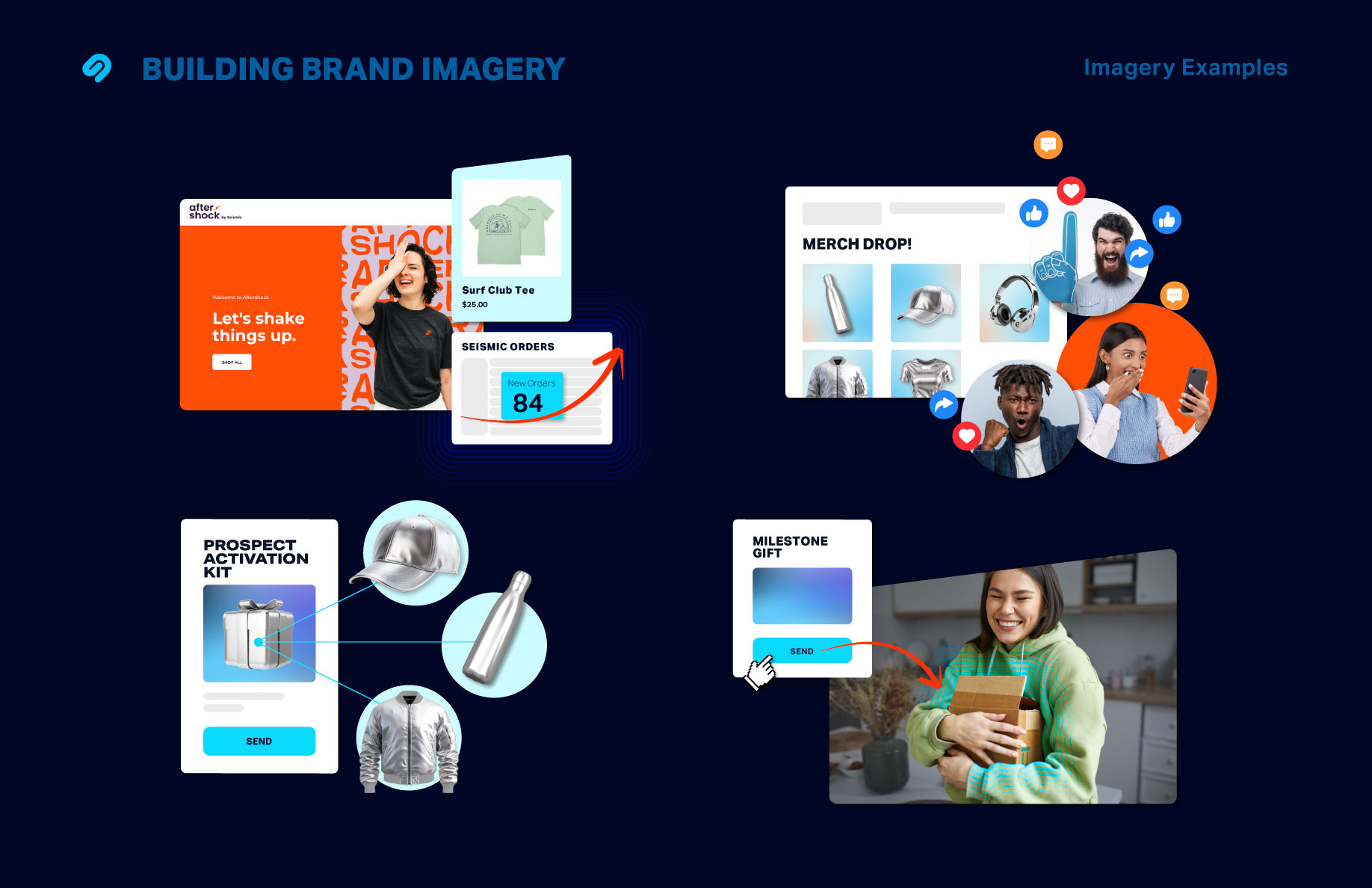
The market responded immediately. The new brand helped the company enter enterprise rooms that were previously out of reach. Conversations shifted from transactional product procurement to solving complex branding and logistics problems at scale.
The new positioning unlocked an eight million dollar RFP pipeline. It helped the team speak more directly to the headaches enterprise clients face, which narrowed competition and deepened trust. Industry peers praised the clarity, structure, and detail of the rebrand. Many called it one of the most thorough brand systems they had seen in the promotional merchandise space.
Internally, the brand became a rallying point. Teams gained a shared language. Sales had clarity. Creative had direction. Leadership had alignment.
Alec walked away with four principles that shaped how he approaches any transformation.
Principle One
Only the right stakeholders should be in the room. Too many voices dilute the message. Too few create blind spots. Identify the key three decision makers and keep the process tight.
Principle Two
Move fast, but in controlled pieces. A full rebrand launched too quickly can create more headaches than wins. Release early. Test. Listen. Adjust. A rebrand should mature over a year, not a week.
Principle Three
Study the competition relentlessly. Modern brands share the same digital shelf. The goal is to become the Liquid Death of your category. Different enough to spark interest. Elevated enough to earn trust. Familiar enough to feel safe.
Principle Four
Lead with solutions, not products. Enterprise buyers do not care about individual branded items. They care about reducing friction, saving time, and eliminating chaos. A brand that speaks to problems, not features, wins the room.

© Made by Alec Witham

